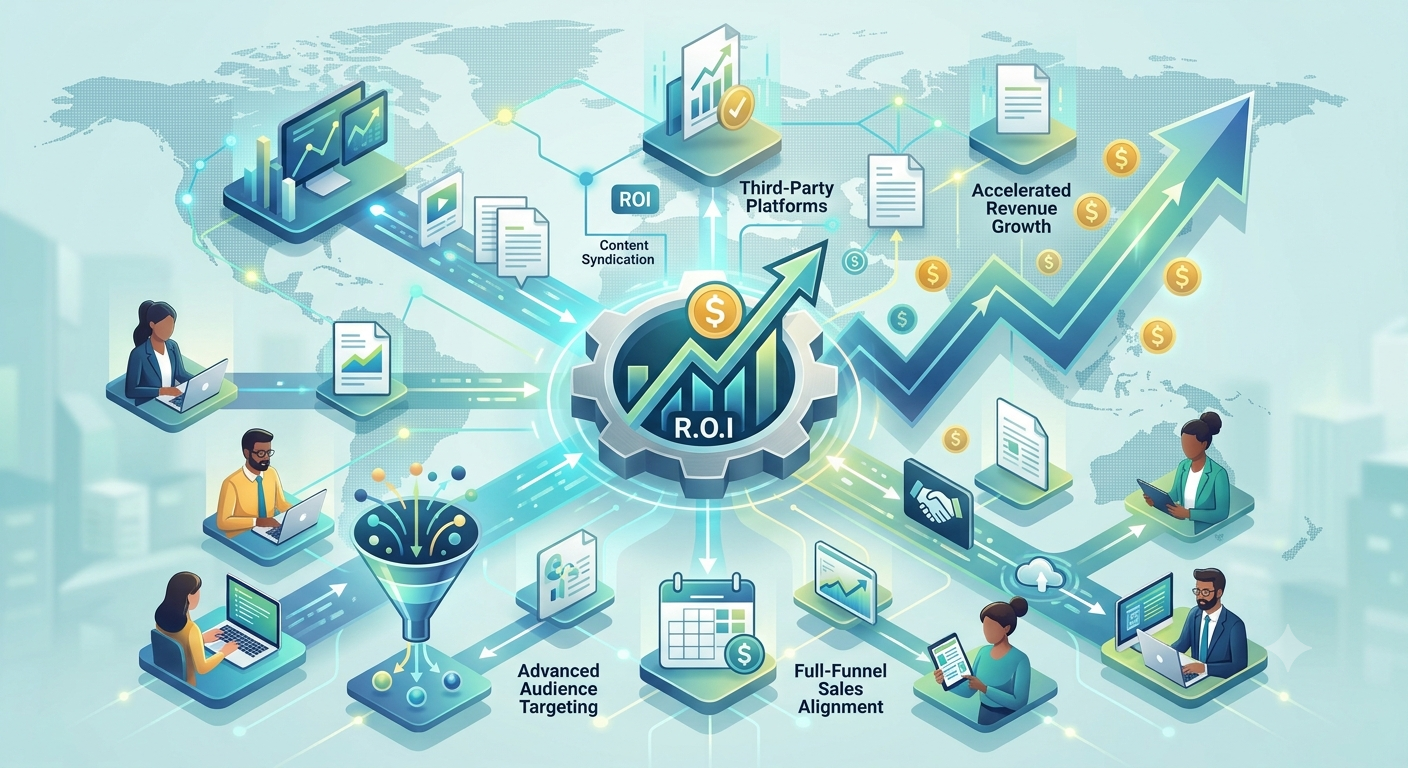
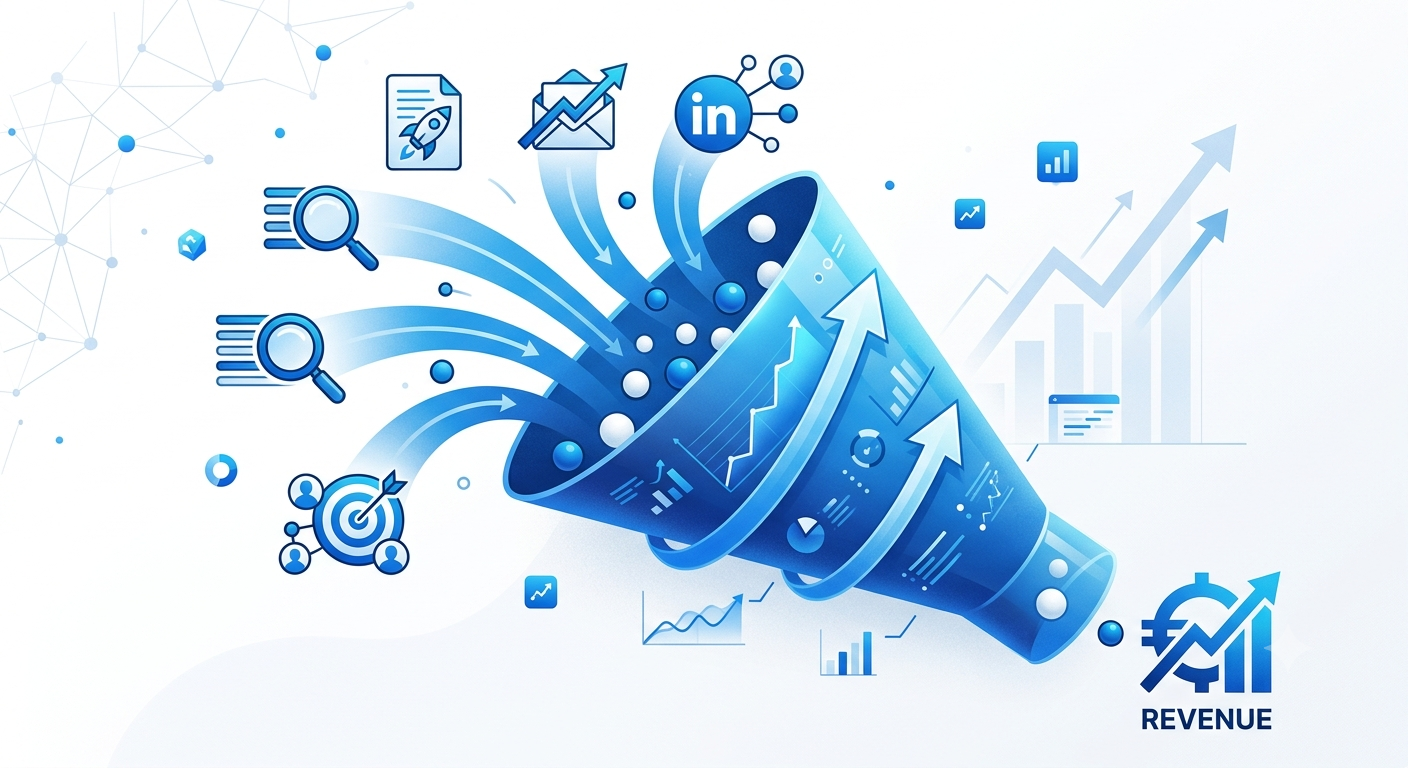

Modern B2B companies are shifting from ad-dependent growth to sustainable pipeline engines built on organic channels, intent data, and sales-marketing alignment. The goal is no longer more leads from paid campaigns, but more qualified opportunities from systems that compound over time.
This approach is especially relevant for firms like The LeadCrafters, which specializes in B2B demand generation and campaign modernization.
Why Ad Spend Alone No Longer Guarantees Pipeline Growth
Relying heavily on paid ads creates a fragile pipeline. When budgets tighten, so does lead flow. In 2025–2026, rising CPMs, privacy changes, and ad fatigue have made paid channels less efficient for many B2B teams.
At the same time, buyers are increasingly self-directed. Research shows that a majority of B2B buyers prefer rep-free experiences and complete much of their journey before engaging sales. This means brands that show up organically across search, social, and email earn trust earlier in the cycle without paying for every impression.
The Modern B2B Pipeline Equation (Without More Ads)
Modern pipeline growth comes from combining three motions:
- Demand creation: Building awareness and interest through organic content, social, and PR.
- Demand capture: Converting existing interest via SEO, website optimization, and targeted landing pages.
- Demand acceleration: Proactively engaging high-fit accounts using ABM, email, and sales outreach.
Instead of pouring more budget into ads, companies rebalance toward these levers to create a predictable, compounding engine.
1. Double Down on SEO and Problem-Focused Content
SEO remains one of the highest-ROI channels for B2B pipeline. Unlike paid search, which stops the moment you stop paying, SEO builds long-term organic traffic that continues to generate leads for months or years.
Target Problem-Centric Keywords
Modern B2B buyers search by problem, not product. Instead of only targeting “demand generation agency,” successful teams create content around:
- “How to build pipeline without increasing ad spend”
- “B2B lead generation strategies for SaaS”
- “Account-based marketing for enterprise sales”
These queries often have 500–2,000 monthly searches and medium competition, making them ideal for sustained organic growth.
Publish In-Depth, Buyer-Centric Articles
Top-performing B2B blogs publish 1,400+ word articles that directly address buyer pain points. For example, a piece like this one targets a specific strategic challenge (pipeline without more ad spend) and provides actionable frameworks.
Internal linking between related posts distributes link equity and keeps visitors on-site longer, improving both SEO and conversion potential.
2. Turn LinkedIn Into an Organic Demand Channel
LinkedIn is where B2B buyers spend significant time researching solutions. Modern companies use it not just for paid ads, but as an organic demand channel through:
- Executive and founder storytelling: Leaders sharing insights, case studies, and lessons learned.
- Signal-driven content: Posts that speak to specific pains, industries, or buying stages.
- Employee advocacy: Encouraging sales, CS, and marketing teams to share content and engage with prospects.
This approach builds brand familiarity and trust before prospects ever see a paid ad.
3. Build Intent-Driven Email Nurture Sequences
Email remains the primary nurture channel for B2B demand generation. Instead of blasting generic newsletters, modern teams segment audiences by:
- ICP fit: Revenue, company size, industry, role.
- Behavior: Pages visited, content downloaded, webinar attendance.
- Stage: New lead, engaged, opportunity, closed-lost.
Sequences are short, personalized, and value-first. For example:
- Email 1: Share a relevant case study or benchmark report.
- Email 2: Invite to a niche webinar or roundtable.
- Email 3: Offer a tailored audit or strategy session.
This keeps prospects engaged without relying on paid retargeting.
4. Activate ABM Without Heavy Ad Budgets
Account-based marketing (ABM) is often associated with high ad spend, but modern ABM can be executed leanly using:
- Intent data: Identifying accounts actively researching relevant topics.
- Personalized outreach: Sales and SDRs using tailored emails and LinkedIn messages.
- Direct mail and events: High-touch plays for top-tier accounts.
Instead of broadcasting to broad audiences, ABM focuses resources on a defined list of high-fit target accounts. This increases conversion rates and reduces wasted spend.
5. Leverage Webinars, Roundtables, and Community
Live and virtual events build high-trust pipeline without heavy ad investment. Modern B2B companies host:
- Niche webinars: Focused on specific pains or industries.
- Executive roundtables: Peer-to-peer discussions for senior buyers.
- Community programs: Slack groups, LinkedIn communities, or customer councils.
These formats generate qualified leads through registration, engagement, and follow-up conversations. They also create evergreen content (recordings, transcripts, quotes) that fuels SEO and social.
6. Optimize Your Website for Conversion, Not Just Traffic
Traffic alone doesn’t create pipeline. Modern B2B websites are optimized to convert visitors into opportunities through:
- Clear CTAs: Demo requests, strategy calls, or assessment offers.
- Proof assets: Case studies, ROI calculators, and customer logos.
- Fast, mobile-friendly design: Ensuring seamless user experience.
For example, The LeadCrafters uses omnichannel messaging and value-driven follow-ups to keep prospects engaged.
7. Align Sales and Marketing Around Pipeline Metrics
The biggest lever for pipeline growth isn’t a new channel—it’s alignment. Modern teams:
- Define shared ICP: Agree on ideal customer profiles and scoring criteria.
- Map content to sales stages: Ensure SDRs and AEs have relevant assets for each objection.
- Track pipeline, not just MQLs: Measure opportunities created, not just form fills.
This creates a feedback loop where sales informs content, and content accelerates sales.
8. Repurpose High-Performing Content Across Channels
One piece of high-quality content can fuel multiple channels. For example, a single research report can become:
- A long-form blog post (SEO)
- A LinkedIn carousel (social)
- An email series (nurture)
- A webinar topic (events)
- A sales deck slide (ABM)
This maximizes ROI without increasing production costs.
9. Use First-Party Data and Zero-Party Insights
With third-party cookies fading, first-party data is king. Modern B2B companies collect insights directly from their audience through:
- Website behavior: Pages visited, time on site, content downloads.
- Form responses: Survey questions, pain-point selections, role data.
- Email engagement: Opens, clicks, replies.
This data fuels personalization, segmentation, and intent modeling without relying on paid data sources.
10. Build a Referral and Partner Engine
Referrals and partnerships are among the highest-converting, lowest-cost pipeline sources. Modern strategies include:
- Customer referral programs: Incentivizing happy clients to introduce peers.
- Agency and vendor partnerships: Co-marketing with complementary firms.
- Affiliate or reseller networks: Expanding reach through trusted intermediaries.
These channels compound over time and require minimal ad spend.
Putting It All Together: A Sustainable Pipeline Framework
Modern B2B pipeline growth is less about spending more on ads and more about building systems that compound. A sustainable framework looks like this:
- SEO and content capture organic demand over time.
- LinkedIn and social build awareness and trust organically.
- Email and ABM accelerate high-fit accounts with personalized outreach.
- Webinars and community create high-trust engagement.
- Sales-marketing alignment ensures every touchpoint moves prospects toward opportunity.
Companies like The LeadCrafters exemplify this approach through integrated campaigns that combine email, LinkedIn, content, and data-driven nurturing.
Final Thought
The future of B2B pipeline isn’t about outspending competitors on ads. It’s about outsmarting them with organic, intent-driven systems that build momentum over time. By focusing on SEO, content, email, ABM, and alignment, modern B2B companies can create predictable growth without increasing ad spend.