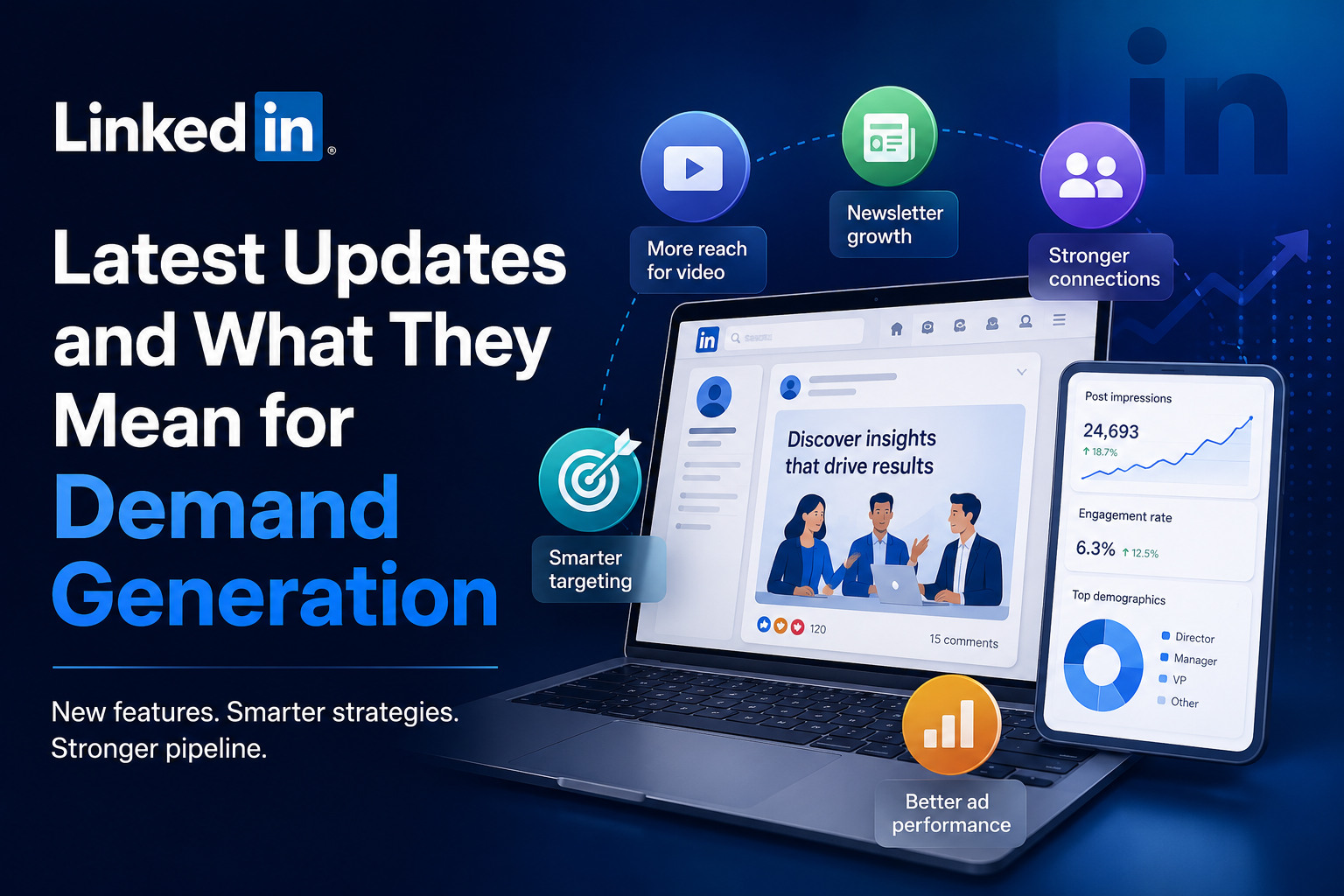

LinkedIn has evolved far beyond being an online resume platform. Today, it serves as the world’s largest professional network and one of the most influential B2B marketing ecosystems. For organizations focused on demand generation, LinkedIn continues to be the platform where buyers research vendors, decision-makers discover insights, and brands establish credibility.
Recent LinkedIn updates are changing how content is distributed, how advertisers target audiences, and how professionals interact with brands. These changes directly impact every stage of the B2B buyer journey from awareness and consideration to conversion and customer advocacy.
Companies that understand these updates early gain a competitive advantage, while those relying on outdated LinkedIn tactics may experience declining engagement and rising acquisition costs.
In this article, we’ll explore the latest LinkedIn updates, why they matter, and how modern demand generation teams can capitalize on them.
Why LinkedIn Matters More Than Ever
LinkedIn continues to outperform most social platforms for B2B marketing because users visit with a business mindset.
Decision-makers use LinkedIn to:
- Research vendors
- Learn industry trends
- Discover thought leadership
- Compare solutions
- Build professional relationships
- Evaluate companies before making purchasing decisions
Unlike entertainment-focused platforms, LinkedIn attracts professionals actively seeking business knowledge.
What’s New on LinkedIn?
Several updates have significantly changed how marketers should approach the platform.
1. Greater Emphasis on Knowledge Sharing
LinkedIn increasingly rewards educational content over promotional posts.
Posts that explain:
- Industry trends
- Original research
- Personal experience
- Case studies
- Lessons learned
are receiving stronger organic distribution than obvious sales messaging.
What This Means
Instead of saying:
“Book a demo today.”
Successful marketers now share:
- Customer success stories
- Industry statistics
- Frameworks
- Marketing experiments
- Campaign results
before introducing products.
2. Better Support for Creator-Led Content
LinkedIn continues investing in creators.
Today’s algorithm favors:
- Expert opinions
- Personal insights
- Storytelling
- Educational carousels
- Videos
- Newsletters
This means company pages alone are no longer enough.
Employees and executives now play a much larger role in expanding reach.
Example
Instead of:
Company Page
We launched a new AI platform.
Try:
CEO Post
Here’s what we learned after helping 200 B2B marketers reduce CPL by 37%.
Personal stories consistently outperform corporate announcements.

6
3. Video Is Becoming More Important
LinkedIn continues increasing visibility for native video.
High-performing formats include:
- Product walkthroughs
- Marketing tips
- Industry commentary
- Event highlights
- Customer interviews
- Behind-the-scenes content
Short videos often receive stronger engagement than static graphics.
Best Practices
Keep videos:
- Under 2 minutes
- Captioned
- Educational
- Mobile-friendly
- Focused on one key takeaway
4. Newsletters Continue Growing
LinkedIn newsletters allow brands to build subscribers without requiring email addresses.
Benefits include:
- Automatic notifications
- Increased repeat engagement
- Authority building
- Long-form educational content
Demand generation teams can repurpose:
- Blog posts
- Research reports
- Whitepapers
- Case studies
into recurring newsletters.
5. Smarter Advertising Capabilities
LinkedIn continues improving campaign targeting.
Advertisers can better reach audiences using:
- Company size
- Industry
- Job title
- Seniority
- Skills
- Interests
- Buyer intent signals
This makes campaigns more relevant while reducing wasted impressions.
How These Updates Affect Demand Generation
Demand generation focuses on building long-term interest not just collecting leads.
LinkedIn’s latest direction aligns perfectly with this philosophy.
Instead of interrupting buyers…
Brands now educate buyers.
Traditional Funnel
| Stage | Goal |
|---|---|
| Awareness | Get attention |
| Interest | Generate engagement |
| Consideration | Build trust |
| Intent | Capture leads |
| Purchase | Close opportunities |
LinkedIn now helps marketers influence every stage.
The Shift from Lead Generation to Demand Generation
Older Strategy VS Modern Strategy
Older Strategy VS Modern Strategy:
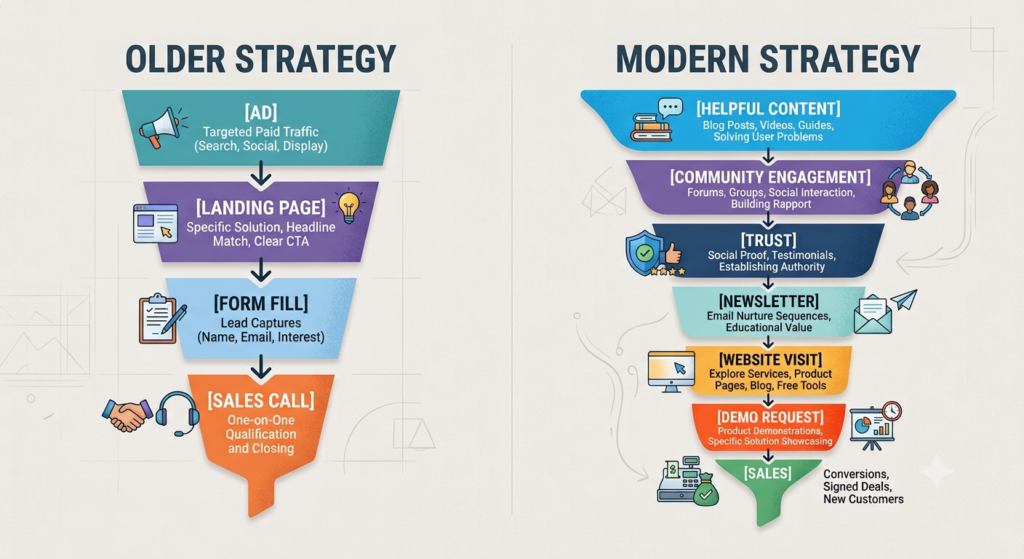
Demand is built before forms are filled.
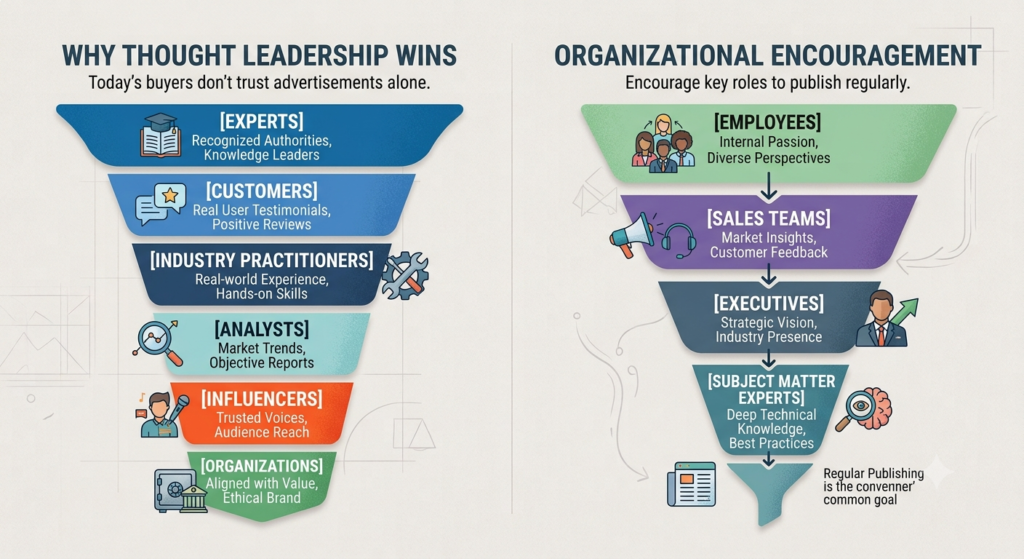
Why Thought Leadership Wins
Today’s buyers don’t trust advertisements alone.
They trust:
- Experts
- Customers
- Industry practitioners
- Analysts
- Influencers
Organizations should encourage:
- Employees
- Sales teams
- Executives
- Subject matter experts
to publish regularly.
Employee Advocacy Is Becoming Essential
Company pages often have limited organic reach.
Employee posts can dramatically increase visibility.
Example:
| Publisher | Average Reach |
|---|---|
| Company Page | Low |
| Marketing Manager | Medium |
| Sales Director | High |
| CEO | Very High |
Employee advocacy humanizes brands.
AI Is Changing LinkedIn Content
Artificial Intelligence now assists with:
- Writing suggestions
- Profile improvements
- Job recommendations
- Ad optimization
- Campaign reporting
However…
Generic AI-generated posts rarely perform well.
Winning content still includes:
- Personal experience
- Unique insights
- Original research
- Real campaign data
AI should accelerate creativity not replace authenticity.
Better Audience Quality
LinkedIn remains one of the few platforms where marketers know:
- Company
- Industry
- Job function
- Seniority
- Employer
- Skills
This allows demand generation teams to target decision-makers instead of broad consumer audiences.
Example:
Instead of targeting:
“Marketing”
Target:
- VP Marketing
- Demand Generation Manager
- Revenue Operations Director
- Marketing Operations Manager
- Chief Marketing Officer
This improves lead quality.
The Rise of Multi-Format Content
Successful brands no longer rely on a single content type.
A single whitepaper becomes:
- Blog article
- Carousel
- Video
- Poll
- Infographic
- Newsletter
- Webinar
- Podcast clip
One asset fuels an entire campaign.
Content Repurposing Framework
| Original Asset | Repurpose Into |
|---|---|
| Whitepaper | Blog |
| Blog | Carousel |
| Blog | Newsletter |
| Webinar | Video Clips |
| Survey | Infographic |
| Case Study | Customer Story |
| Podcast | Quote Graphics |
| Research | LinkedIn Posts |
Repurposing increases reach while reducing content creation costs.
LinkedIn Ads Are Becoming Smarter
Demand generation campaigns benefit from multiple campaign objectives.
Examples include:
| Objective | Best Use |
|---|---|
| Brand Awareness | New markets |
| Website Visits | Blog promotion |
| Engagement | Community growth |
| Video Views | Product education |
| Lead Generation | Form submissions |
| Website Conversions | Demo requests |
Each objective supports a different stage of the buyer journey.
Measuring Success Beyond Form Fills
Modern marketers increasingly evaluate:
- Engagement quality
- Time on page
- Returning visitors
- Newsletter subscriptions
- Video completion rate
- Comment quality
- Influencer mentions
- Brand search growth
Demand generation is about creating interest before immediate conversions.
Common Mistakes to Avoid
1. Posting Only Promotional Content
People come to LinkedIn to learn not to read advertisements.
2. Ignoring Comments
Meaningful conversations boost visibility and strengthen relationships.
3. Publishing Inconsistently
Consistency builds recognition and trust over time.
4. Using Generic AI Content
Content lacking unique insights often underperforms.
5. Overlooking Employee Voices
Encouraging employees to share experiences expands organic reach and builds credibility.
Conclusion
LinkedIn continues to evolve into the premier platform for B2B demand generation, emphasizing education, authenticity, and relationship-building over direct promotion. The latest updates reward brands that provide genuine value through thought leadership, employee advocacy, engaging video, newsletters, and data-driven advertising.
For demand generation teams, the opportunity is clear: move beyond one-off lead capture campaigns and invest in creating a sustainable content ecosystem that nurtures buyers throughout their journey. By leveraging LinkedIn’s evolving features and focusing on meaningful engagement, organizations can build trust, strengthen brand authority, and generate higher-quality pipeline over time.
The future of B2B marketing on LinkedIn belongs to brands that consistently educate, engage, and inspire, not just those that sell.