


In B2B marketing, success isn’t measured by the number of emails sent, ad impressions generated, or website visitors attracted. The true measure of success is the number of qualified leads that move through the sales pipeline and eventually become customers.
Many organizations invest significant budgets into demand generation, email marketing, content syndication, LinkedIn campaigns, webinars, and paid advertising. Yet despite these investments, they often struggle with low conversion rates, poor lead quality, and disappointing ROI.
Why?
In many cases, the problem isn’t the marketing channel, it’s the campaign strategy.
Over the years, thousands of B2B campaigns have revealed a consistent pattern: a handful of avoidable mistakes repeatedly prevent companies from reaching the right buyers. The good news is that once these issues are identified, they can usually be corrected without dramatically increasing marketing spend.
This article explores five of the most common campaign mistakes that cost B2B companies qualified leads and how to avoid them.
Why Qualified Leads Matter More Than Lead Volume
Imagine two campaigns.
Campaign A generates 2,000 leads, but only 30 are actually interested in purchasing.
Campaign B generates 400 leads, yet 150 match your Ideal Customer Profile (ICP) and are actively evaluating solutions.
Which campaign performed better?
For most sales teams, Campaign B delivers far greater value.
High-quality leads reduce sales cycles, improve conversion rates, and help sales representatives focus on opportunities that have genuine revenue potential.
Unfortunately, many campaigns are still optimized for quantity instead of quality.
Mistake #1: Targeting Everyone Instead of the Right Audience
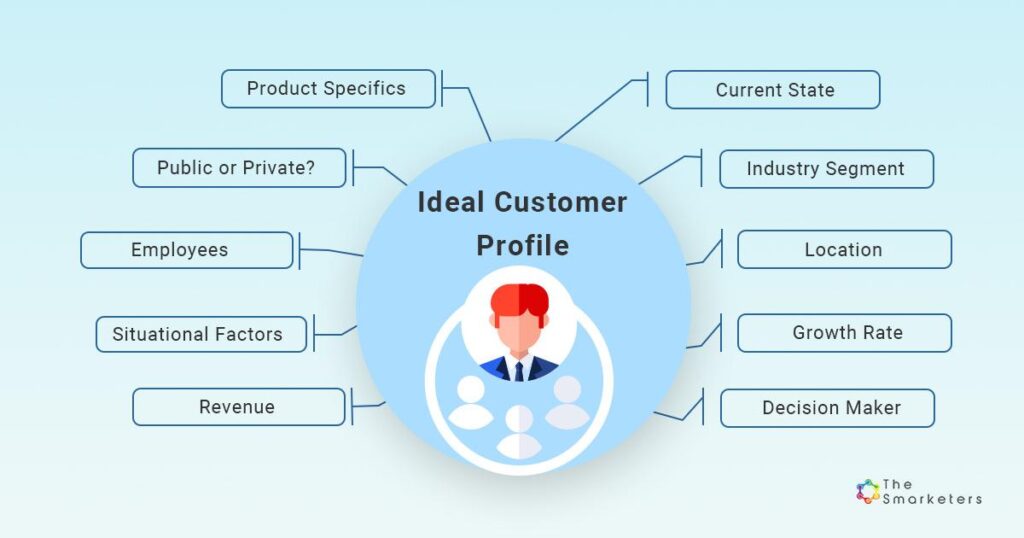
One of the biggest reasons campaigns fail is overly broad targeting.
Many marketers believe expanding the audience will increase opportunities. In reality, broad targeting often reduces engagement because the messaging becomes too generic.
Common Signs
- Large contact databases with poor engagement
- Low email open rates
- High unsubscribe rates
- Weak conversion rates
- Sales teams rejecting marketing leads
What Happens
A cybersecurity company promoting enterprise security software sends the same email to:
- HR Managers
- Finance Directors
- IT Administrators
- CEOs
- Procurement Teams
Only a small percentage actually influence cybersecurity purchasing decisions.
The result?
Most recipients ignore the message.
Better Approach
Start with a clearly defined ICP.
Consider:
- Industry
- Company size
- Geography
- Revenue
- Technology stack
- Buying authority
- Business challenges
The narrower your targeting, the more relevant your messaging becomes.
Quick Tip
Before launching any campaign, ask:
“Would this message feel personally relevant to the recipient?”
If the answer is “probably not,” refine your audience first.
Mistake #2: Talking About Your Product Instead of Customer Problems
One of the fastest ways to lose attention is to make your campaign entirely about your company.
Many emails begin with statements like:
- We are a leading provider…
- Our platform offers…
- We have 20 years of experience…
Unfortunately, buyers rarely care about vendors until they understand how those vendors solve a problem.
Buyers Want Answers To:
- How can I reduce costs?
- How can I generate more revenue?
- How can I improve efficiency?
- How can I reduce risk?
- How can I save time?
Instead of leading with features, begin with challenges.
For example:
Instead of
“Our AI platform includes advanced automation.”
Try
“Manual reporting consumes hours every week. Here’s how automation reduces reporting time by up to 70%.”
The second message immediately focuses on business outcomes.
Remember
People don’t buy software.
They buy better business results.
Mistake #3: Using the Same Message for Every Stage of the Buyer Journey
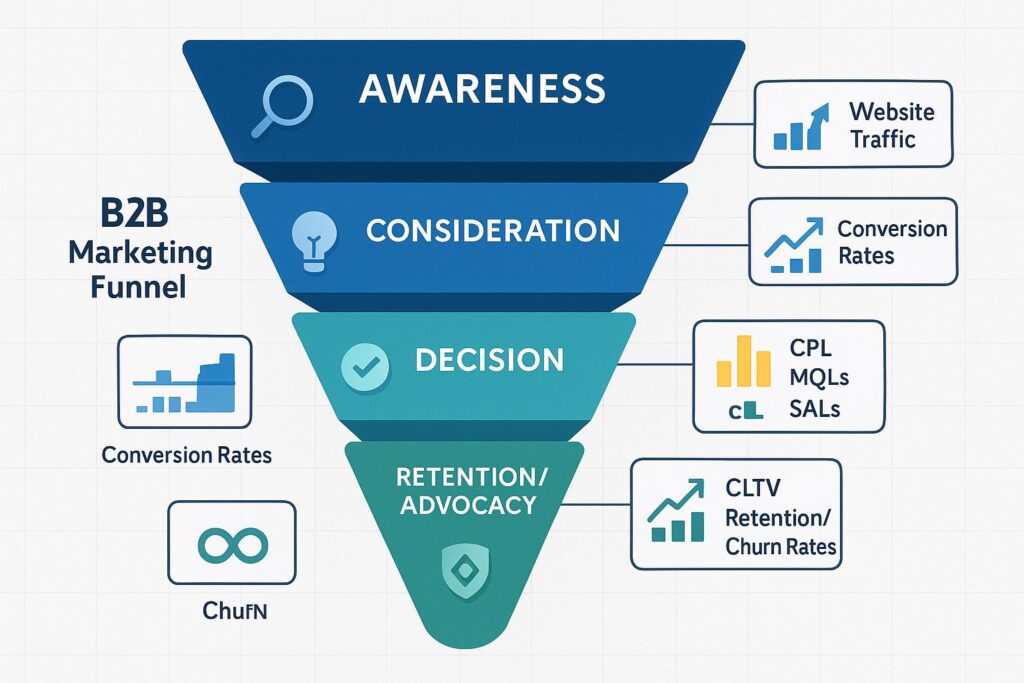
5
Every prospect is at a different stage.
Someone discovering your brand today shouldn’t receive the same message as someone who requested a demo yesterday.
Yet many campaigns deliver identical emails regardless of buyer intent.
Awareness Stage
Goal:
Educate.
Examples:
- Industry trends
- Research reports
- Educational blogs
- Infographics
Consideration Stage
Goal:
Build trust.
Examples:
- Whitepapers
- Comparison guides
- Expert webinars
- Case studies
Decision Stage
Goal:
Reduce buying hesitation.
Examples:
- Product demos
- Customer testimonials
- ROI calculators
- Free consultations
Matching content to buyer intent significantly improves engagement.
Lesson Learned
The right message at the wrong time often performs as poorly as the wrong message altogether.
Mistake #4: Ignoring Campaign Data Until It’s Too Late
Marketing dashboards contain valuable insights but many teams only review them after the campaign has ended.
By then, valuable optimization opportunities have already been lost.
Metrics Worth Monitoring
- Email delivery rate
- Open rate
- Click-through rate
- Landing page conversion
- Cost per lead
- Marketing Qualified Leads (MQLs)
- Sales Qualified Leads (SQLs)
- Opportunity creation
- Revenue influenced
Monitor performance weekly or daily for high-budget campaigns.
Small adjustments made during a campaign can dramatically improve results.
Examples include:
- Changing subject lines
- Updating CTAs
- Refining audience segments
- Adjusting send times
- Improving landing page copy
Data Should Drive Decisions
Successful marketers treat campaigns as living systems, not one-time launches.
Mistake #5: Forgetting That Lead Nurturing Is Part of the Campaign
Generating a lead isn’t the finish line.
It’s the starting point.
Many organizations celebrate new form submissions but fail to nurture those contacts afterward.
The result?
Potential buyers forget your brand before speaking with sales.
Effective Lead Nurturing Includes
- Educational email sequences
- Industry newsletters
- Personalized content recommendations
- Webinar invitations
- Customer success stories
- Product updates
- Retargeting campaigns
Research consistently shows that B2B buyers require multiple interactions before making purchasing decisions.
A lead who isn’t ready today may become your best customer three months later.
Build Relationships, Not Just Pipelines
Marketing should continue adding value long after the first conversion.
Bonus Lessons From High-Performing Campaigns
Successful B2B organizations often share several habits.
They Align Marketing and Sales
Regular communication ensures both teams agree on:
- Lead qualification
- Follow-up timelines
- Campaign objectives
- Success metrics
They Test Constantly
Rather than assuming what works, they test:
- Subject lines
- Headlines
- Images
- Landing pages
- CTAs
- Audience segments
Even small improvements compound over time.
They Prioritize Customer Education
Educational content consistently outperforms aggressive sales messaging.
Helpful content builds credibility long before prospects speak with sales.
They Personalize Communication
Modern buyers expect relevance.
Simple personalization includes:
- Industry-specific examples
- Company size references
- Job-role messaging
- Dynamic email content
Personalization improves both engagement and trust.
Campaign Success Checklist
Before launching your next B2B campaign, ask yourself:
- Is the audience clearly defined?
- Does the messaging address customer challenges?
- Does the content match the buyer journey?
- Are campaign metrics being monitored regularly?
- Is there a lead nurturing strategy?
- Are marketing and sales aligned?
- Are landing pages optimized?
- Is every CTA clear and measurable?
If you answered “No” to any of these, there is likely room for improvement.
Final Thoughts
Every B2B campaign provides valuable lessons whether it exceeds expectations or falls short. The difference between high-performing marketing teams and average ones is not that they never make mistakes, but that they identify those mistakes early, learn from them, and continuously improve.
Qualified leads are rarely the result of luck. They come from thoughtful audience targeting, messaging that addresses real business challenges, timely content aligned with the buyer journey, continuous optimization based on campaign data, and consistent lead nurturing.
Instead of chasing bigger lead numbers, focus on building campaigns that connect with the right decision-makers, deliver genuine value, and create meaningful conversations. Over time, these improvements lead to stronger sales pipelines, higher conversion rates, and better marketing ROI.
The most successful B2B marketers don’t simply launch campaigns they refine them, measure them, and learn from every interaction. That’s the real lesson behind campaigns that consistently generate qualified leads.