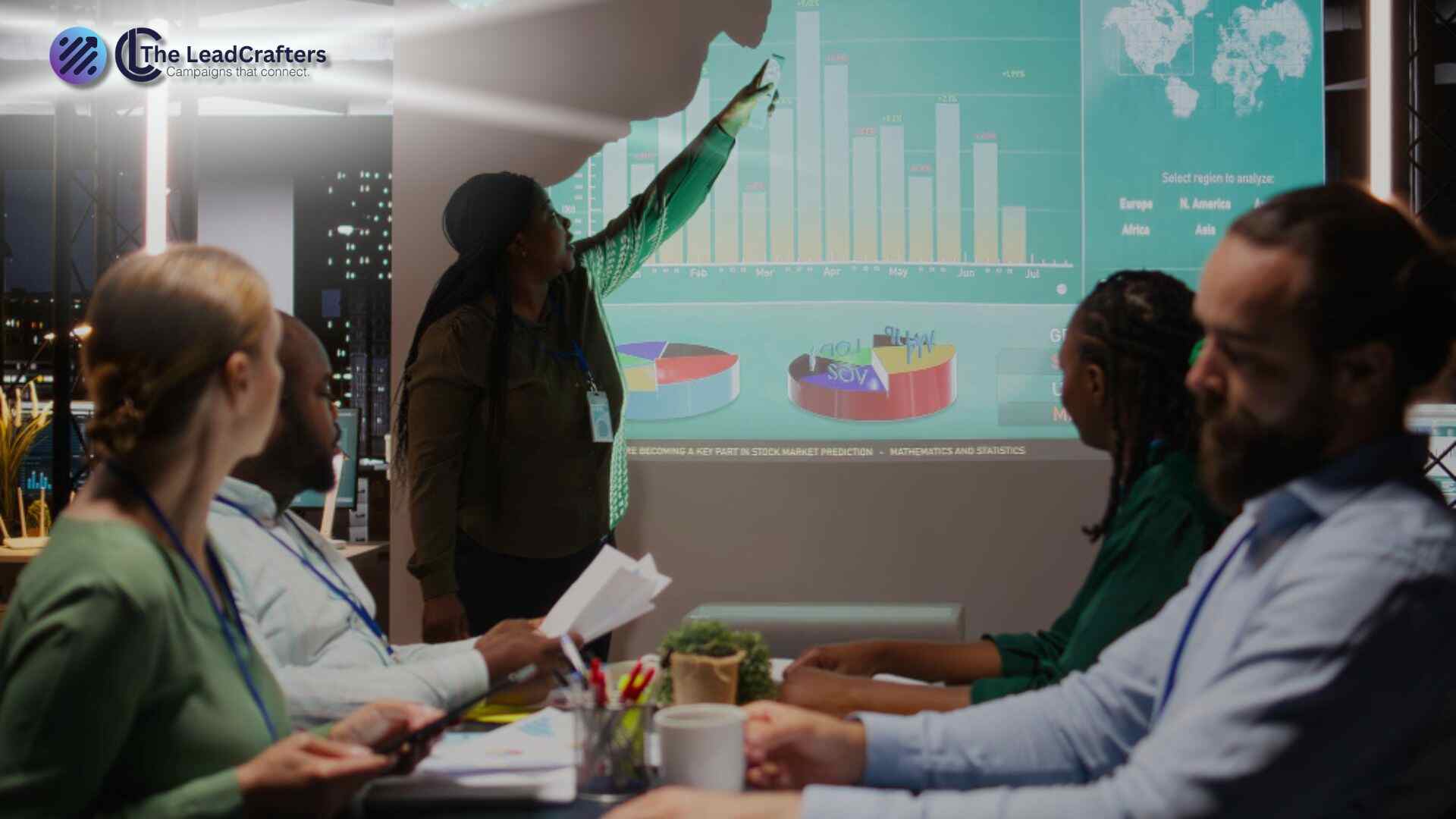


Virtual events and webinars have become cornerstone strategies in B2B demand generation, delivering scalable lead generation, higher engagement, and measurable ROI for modern marketing teams. These digital formats outperform traditional in-person gatherings by reaching global audiences at lower costs while nurturing prospects through the entire buyer journey. In 2025, with 73% of B2B marketers citing webinars as their top source of high-quality leads, businesses leveraging these tools see pipeline growth without the logistical hurdles of physical events.
The Rise of Virtual Events in B2B Marketing
Virtual events evolved from pandemic necessities into high-ROI demand drivers, offering unlimited attendee capacity and on-demand access that boosts views by up to 80%. Unlike in-person conferences limited by venue size, virtual formats like summits and multi-session experiences enable precise targeting of decision-makers via account-based marketing (ABM). For instance, platforms facilitate intimate, knowledge-packed sessions that replicate face-to-face impact while cutting costs by nearly two-thirds compared to physical alternatives.
B2B teams now prioritize interactivity. Live polls, Q&A, and chat features capture real-time buying signals and foster networking. This shift aligns with buyer behavior in a price-conscious economy, where value-driven content outperforms promotional pushes, shortening sales cycles through verified engagement. Companies hosting regular virtual events report doubled registration traffic via cross-marketing with product teams, turning events into sustained demand engines.
Why Webinars Excel at Lead Generation
Webinars stand out in B2B lead nurturing because 95% of marketers view them as essential, with 64% hosting events in the past year and 41.7% increasing frequency year-over-year. They generate sales-ready leads by attracting genuinely interested attendees who engage deeply, yielding the best results for 51% of content marketers. Clear goals.from brand awareness to demo bookings.guide content and promotion, ensuring seamless CRM integration for post-event nurturing.
Promotion across channels amplifies reach: segmented emails, LinkedIn ads, and co-marketing partnerships drive registrations while UTM tracking reveals top sources. During events, strong CTAs like trial sign-ups or guide downloads convert attendees, with on-demand replays extending lifecycle value. Quarterly webinar calendars integrated into ABM campaigns establish thought leadership, aligning sales and marketing for consistent pipeline velocity.
Key Strategies for Maximum Impact
Planning and Promotion Best Practices
Start with audience identification using ICPs to craft resonant content, then build conversion-focused landing pages with personalized invites that lift registrations 3x. A multi-channel plan email marketing, social teasers, and paid ads, maximizes visibility, while SEO-optimized blog posts and countdown visuals boost organic discovery.
Partner with complementary brands for co-promotion and leverage tools like Zoom Webinars or ON24 for analytics-driven targeting. Pre-event workshops educate sponsors on behavioral data usage, enhancing their ROI and event authenticity.
Hosting Engaging Experiences
Keep attendees hooked with live polls, Q&A, and chat moderation to surface pain points and intent signals. Avoid sales pitches; deliver genuine value through expert speakers and immersive formats like product demos, maintaining 70%+ attendance rates above the 45% industry average.
On-demand availability post-event sustains engagement, with hubs increasing demo requests by 44%. Feedback loops via surveys refine future sessions, turning one-off events into scalable demand programs.
Measuring ROI and Success Metrics
Track engagement (poll responses, watch time), leads generated, conversions, retention, and revenue to quantify impact webinars often deliver 964% ROI virtually versus 270% in-person. Tools like HubSpot or BigMarker provide dashboards tying events to pipeline, with attribution models proving value to CFOs demanding shorter cycles.
Post-event nurturing via automated sequences converts 40% of livestream no-shows who view replays. Case studies show 62.5% lead surges and 78% meeting conduct rates from data-informed follow-ups.
Real-World Case Studies and Results
Solution Monday hosted 11-12 virtual events yearly, attracting 25,000+ attendees and launching products like Stack Wizard via behavioral analytics, prioritizing content over sponsors for superior lead quality. Hubilo-powered webinars achieved 70% attendance with automated follow-ups, onboarding teams efficiently.
In EdTech, optimized virtual events used polls and chats for intent signals, driving pipeline via real-time insights. GAN’s virtual summit via ibentos delivered immersive experiences with high satisfaction, influencing hybrid future strategies.
Integrating Virtual Events into Your Demand Strategy
At The LeadCrafters, virtual events fuel top-to-bottom funnel strategies with omnichannel execution ICP targeting, content sparks, nurturing, and sales-ready handoffs. Pair webinars with intent-driven outreach for frictionless alignment.
Choose platforms ABM or GoTo Webinar for simplicity, ensuring revenue attribution. Scale via monthly calendars, feedback loops, and verified engagement to outpace volume tactics in 2025’s economy.
Future Trends Shaping B2B Virtual Demand Gen
AI-powered engagement scoring and predictive models will dominate, inserting intent data into workflows for timely conversions. Hybrid formats blend virtual scalability with in-person intimacy, while verified content engagement prioritizes quality over quantity.
Monetization via sponsorships (65% of organizers) and immersive tools like VR networking will rise, with 57% hosting 50+ webinars annually. B2B marketers focusing on these trends build trust, shorten cycles, and drive sustainable growth.