


Social media has become one of the most influential channels for B2B marketing. What was once considered a platform for brand awareness is now a powerful engine for demand generation, lead nurturing, customer education, and long term relationship building.
B2B buyers are spending more time on LinkedIn, YouTube, X, Reddit, and niche online communities before they ever speak with a sales representative. They are researching vendors, reading customer experiences, watching product demonstrations, and engaging with industry experts. Because of this shift, marketers are adapting their strategies to meet buyers where conversations are already happening.
Across social media feeds, several marketing trends are dominating discussions among CMOs, demand generation leaders, content marketers, sales teams, and technology providers. Artificial intelligence, employee advocacy, authentic storytelling, short videos, community driven marketing, and first party data strategies are changing how organizations connect with decision makers.
In this article, we explore the most talked about B2B marketing trends across social media, explain why they matter, and share practical ways your business can use them to strengthen brand visibility, generate qualified leads, and improve marketing performance.
Table of Contents
- Why Social Media Matters More Than Ever for B2B
- Artificial Intelligence Is Reshaping Content Creation
- LinkedIn Continues to Dominate B2B Marketing
- Employee Advocacy Is Becoming a Competitive Advantage
- Short Form Video Is Driving Higher Engagement
- Thought Leadership Builds Buyer Confidence
- Communities Are Replacing Traditional Audiences
- Demand Generation Is Replacing Lead Quantity
- Personal Branding Is Influencing Business Growth
- Data Privacy Is Changing Marketing Strategies
- Social Listening Helps Marketers Understand Buyers
- Interactive Content Creates Better Engagement
- Influencer Marketing Is Expanding into B2B
- Multi Channel Marketing Delivers Better Results
- Measuring Success Beyond Vanity Metrics
- Frequently Asked Questions
- Final Thoughts
Why Social Media Matters More Than Ever for B2B
Modern B2B buyers complete a significant portion of their purchasing journey before contacting a vendor. They compare solutions, evaluate reviews, follow industry experts, and consume educational content across multiple social platforms.
This behavior means that marketing teams must maintain a consistent and valuable presence throughout the buyer journey.
Social media now supports nearly every stage of the marketing funnel.
- Brand awareness
- Demand generation
- Product education
- Customer engagement
- Event promotion
- Lead nurturing
- Customer retention
- Thought leadership
Companies that consistently share valuable insights rather than promotional messages are seeing stronger engagement and higher trust among potential buyers.

Artificial Intelligence Is Reshaping Content Creation
Artificial intelligence has become one of the hottest discussions across every marketing community.
AI is no longer limited to generating blog ideas. Today’s marketing teams use AI to improve productivity, personalize campaigns, analyze customer behavior, create email sequences, generate social media posts, summarize webinars, optimize advertisements, and predict campaign performance.
Popular applications include:
- Content research
- Content optimization
- Email personalization
- Marketing automation
- Predictive lead scoring
- Chatbots
- Customer segmentation
- Performance forecasting
However, marketers are also recognizing that AI should support creativity rather than replace it. Human expertise remains essential for storytelling, strategic planning, relationship building, and brand differentiation.
The most successful organizations combine AI powered efficiency with authentic human insights.

LinkedIn Continues to Dominate B2B Marketing
When marketers discuss social media success, LinkedIn remains the platform receiving the most attention.
Decision makers actively use LinkedIn to discover industry trends, evaluate vendors, build professional relationships, and consume educational content.
High performing LinkedIn content often includes:
- Industry insights
- Research findings
- Customer success stories
- Educational carousel posts
- Executive perspectives
- Short videos
- Polls
- Behind the scenes company updates
Businesses that encourage employees to share company content often experience significantly greater reach compared to relying only on corporate pages.
Consistency also matters. Posting valuable content several times each week helps brands remain visible throughout longer buying cycles.
Employee Advocacy Is Becoming a Competitive Advantage
One of the biggest conversations across social media is employee advocacy.
People trust people more than logos.
When employees share company achievements, customer stories, educational insights, or personal experiences, their content often receives higher engagement than official company posts.
Employee advocacy provides several benefits.
- Increased organic reach
- Higher credibility
- Better employer branding
- Stronger customer trust
- More authentic conversations
- Improved recruiting efforts
Marketing teams are now investing in advocacy programs that provide employees with content ideas, design templates, and posting guidance while encouraging them to add their own perspectives.
Authenticity remains the key to success. Audiences quickly recognize overly scripted posts, while genuine experiences build stronger relationships.

Short Form Video Is Driving Higher Engagement
Short videos continue to dominate social media conversations.
Platforms increasingly prioritize video because it captures attention quickly and encourages longer engagement.
For B2B organizations, short videos can simplify complex topics and make technical information easier to understand.
Popular video formats include:
- Product demonstrations
- Industry tips
- Customer testimonials
- Event highlights
- Marketing insights
- Frequently asked questions
- Executive interviews
- Company culture videos
The most effective videos are educational, concise, and focused on solving real business challenges rather than promoting products.
Adding captions also improves accessibility and increases watch time because many users view videos without sound.

Thought Leadership Builds Buyer Confidence
Today’s buyers expect expertise before they expect a sales pitch.
Thought leadership has become one of the strongest trust builders across social media.
Companies are publishing:
- Original research
- Industry reports
- Expert opinions
- Market predictions
- Educational webinars
- Podcast interviews
- Customer case studies
- Executive insights
Sharing valuable knowledge positions organizations as trusted advisors instead of vendors.
When buyers repeatedly encounter helpful insights from the same brand, they become more likely to consider that company during future purchasing decisions.
Communities Are Becoming the New Marketing Channel
Social media is no longer just about publishing content. It is about building conversations and creating communities where professionals can learn, ask questions, and exchange ideas.
B2B buyers increasingly trust recommendations from peers, industry experts, and community members over traditional advertising. This shift has encouraged businesses to invest in communities rather than simply growing follower counts.
Popular B2B communities include:
- LinkedIn Groups
- Reddit industry communities
- Slack communities
- Discord servers
- Private customer communities
- Professional forums
- Industry newsletters
These communities give marketers direct access to audience feedback, product discussions, and emerging industry challenges.
Instead of constantly promoting products, successful brands participate by answering questions, sharing helpful resources, and contributing meaningful insights.
Benefits of Community Marketing
- Builds long term customer relationships
- Encourages customer advocacy
- Generates organic referrals
- Creates valuable customer feedback
- Improves brand credibility
- Supports product innovation
Brands that consistently contribute value become trusted members of the community rather than advertisers.

Demand Generation Is Replacing Traditional Lead Generation
One of the biggest discussions across social media is the evolution from lead generation to demand generation.
For years, many organizations focused on collecting as many leads as possible. Today, marketing leaders recognize that creating awareness and educating buyers before asking for contact information produces better long term results.
Demand generation focuses on building trust throughout the buyer journey.
Modern demand generation activities include:
- Educational blog articles
- Industry research
- Free webinars
- Podcasts
- Video tutorials
- Interactive tools
- Social media conversations
- Newsletters
Rather than immediately asking visitors to complete lengthy forms, businesses first provide useful information that helps buyers make informed decisions.
This customer first approach creates stronger relationships and increases the likelihood of future conversions.
Why Demand Generation Works
- Builds brand awareness
- Improves lead quality
- Supports longer buying cycles
- Creates stronger customer trust
- Increases customer lifetime value
Demand generation aligns marketing and sales around revenue instead of simply measuring lead volume.

Personal Branding Is Influencing Business Growth
Corporate brands are important, but people often connect with individuals before companies.
Executives, founders, marketers, and subject matter experts are becoming influential voices on LinkedIn and other professional platforms.
Their content attracts attention because it feels authentic and experience driven.
Successful personal branding often includes:
- Industry opinions
- Lessons learned
- Behind the scenes experiences
- Career advice
- Conference highlights
- Business challenges
- Customer success stories
- Professional achievements
Employees with strong professional brands often help increase awareness for their organizations.
When executives consistently publish educational content, audiences begin associating the company with expertise and innovation.
Tips for Building a Strong Personal Brand
- Publish consistently
- Share original perspectives
- Engage with industry conversations
- Respond to comments
- Support other creators
- Focus on helping rather than selling
Authenticity always performs better than overly polished promotional messaging.
Data Privacy Is Reshaping Marketing Strategies
As privacy regulations continue evolving, marketers are rethinking how they collect, manage, and use customer data.
Buyers are becoming more aware of how their information is stored and shared. Trust has become a major factor in purchasing decisions.
Modern B2B marketers are focusing on:
- First party data
- Zero party data
- Consent based marketing
- Transparent privacy policies
- Preference centers
- Secure customer databases
Rather than relying heavily on third party tracking, businesses are encouraging customers to voluntarily share information through valuable content, surveys, webinars, and newsletter subscriptions.
Why Privacy Matters
Companies that respect customer privacy often experience:
- Higher trust
- Better engagement
- Improved email performance
- Higher quality customer relationships
- Stronger regulatory compliance
Privacy is no longer simply a legal requirement. It has become an important competitive advantage.

Social Listening Is Helping Marketers Understand Buyers
Every day, thousands of conversations about technology, software, business challenges, and purchasing decisions take place across social media.
Companies that actively monitor these conversations gain valuable insights into customer needs.
Social listening allows marketers to identify:
- Frequently asked questions
- Emerging industry trends
- Customer frustrations
- Product feedback
- Competitor mentions
- Buying signals
- Market opportunities
Instead of relying only on surveys, marketers can observe real conversations happening naturally across social platforms.
These insights help teams create more relevant content, improve messaging, and develop products that better serve customer needs.
Best Practices for Social Listening
- Monitor relevant industry keywords
- Track competitor conversations
- Follow customer feedback
- Analyze sentiment
- Share insights across departments
- Respond professionally when appropriate
Social listening transforms everyday conversations into valuable marketing intelligence.

Interactive Content Is Increasing Engagement
Interactive experiences continue gaining popularity because they encourage active participation instead of passive reading.
Popular interactive content includes:
- Polls
- Quizzes
- ROI calculators
- Assessments
- Surveys
- Interactive infographics
- Product comparison tools
- Live question and answer sessions
Interactive experiences often generate higher engagement because users receive personalized results based on their responses.
For example, a B2B software company might offer a maturity assessment that helps organizations evaluate their current marketing capabilities while introducing relevant solutions.
Benefits of Interactive Content
- Higher engagement
- Longer website visits
- Better lead qualification
- Increased sharing
- More first party data
- Improved customer education
Interactive content makes learning enjoyable while helping marketers better understand their audience.
B2B Influencer Marketing Is Becoming Mainstream
Influencer marketing is no longer limited to consumer brands. In the B2B world, industry experts, consultants, analysts, technology leaders, and respected professionals are helping companies reach highly targeted audiences.
Unlike consumer influencers with millions of followers, B2B influencers often have smaller but highly engaged communities. Their recommendations carry weight because they are built on years of industry experience and professional credibility.
Examples of B2B influencers include:
- Technology consultants
- Marketing experts
- Cybersecurity specialists
- SaaS founders
- Industry analysts
- Business coaches
- Product experts
- Research professionals
Collaborating with trusted experts can help businesses:
- Increase brand awareness
- Reach decision makers
- Improve campaign credibility
- Generate qualified leads
- Expand thought leadership
- Drive webinar registrations
- Promote research reports
The most successful influencer partnerships focus on education rather than direct promotion. Audiences respond better when influencers provide practical insights supported by real experiences.

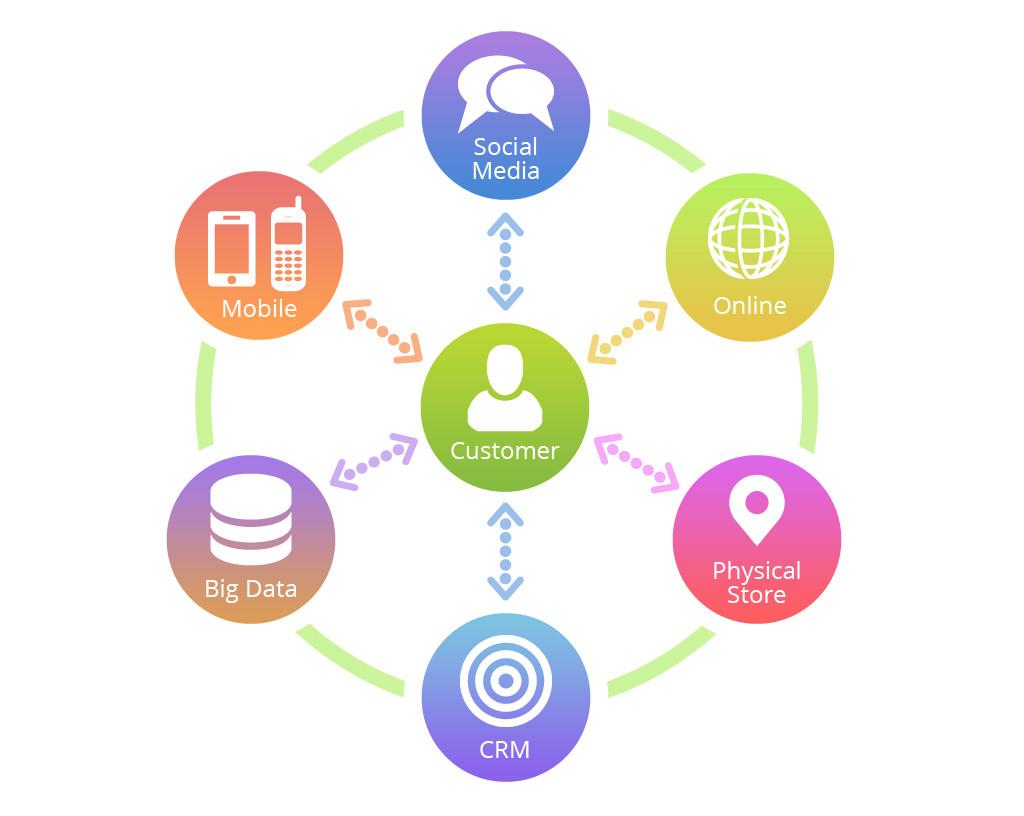
Multi Channel Marketing Delivers Better Results
Today’s buyers interact with multiple platforms before making purchasing decisions. They may discover a company on LinkedIn, watch product demonstrations on YouTube, read blog articles, subscribe to newsletters, attend webinars, and finally request a product demo.
This behavior highlights the importance of a connected multi channel marketing strategy.
An effective B2B marketing ecosystem may include:
- YouTube
- Company blog
- Email marketing
- Webinars
- Podcasts
- Online events
- Paid advertising
- Search engine optimization
- Customer communities
Each channel should reinforce the others with consistent messaging and branding.
Example Customer Journey
- A buyer sees an educational LinkedIn post.
- They visit the company blog for more information.
- They download a research report.
- They subscribe to the newsletter.
- They attend a webinar.
- They request a product demonstration.
- They become a customer.
This connected experience creates multiple opportunities to build trust throughout the buying process.
Customer Generated Content Builds Authentic Trust
One of the fastest growing social media trends is customer generated content.
Instead of brands talking about themselves, satisfied customers share their experiences through:
- Product reviews
- LinkedIn posts
- Video testimonials
- Success stories
- Case studies
- Conference presentations
- Social media mentions
Prospective buyers often trust these real experiences more than traditional marketing materials.
Encouraging customers to share their success stories benefits both parties. Customers receive recognition while businesses gain authentic social proof.
Ways to Encourage Customer Content
- Invite customers to share project outcomes.
- Highlight customer success on social media.
- Feature customer interviews.
- Publish collaborative case studies.
- Host customer webinars.
- Celebrate milestones together.
Authentic customer voices strengthen credibility and influence purchasing decisions.
Social Commerce Is Expanding in B2B
Although social commerce is more common in consumer markets, B2B organizations are also simplifying the buying journey directly through social platforms.
Companies now use social media to:
- Schedule product demonstrations
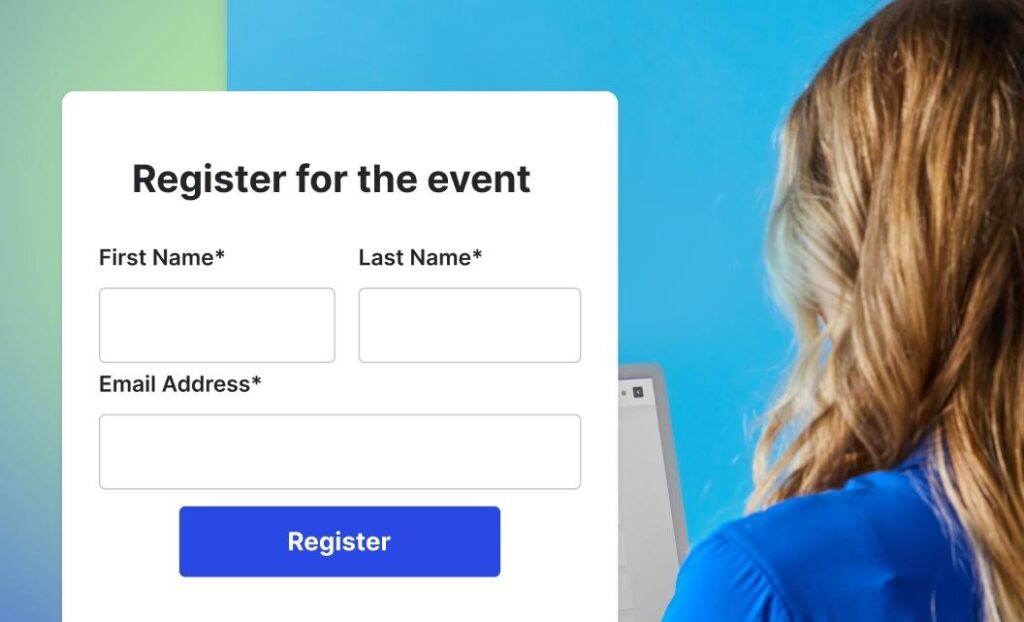
- Register webinar attendees
- Promote downloadable resources
- Collect event registrations
- Offer free consultations
- Share product catalogs
Reducing friction during the buyer journey increases conversion opportunities.
For example, a LinkedIn post discussing marketing automation can include a direct registration link for a live demonstration, allowing interested professionals to take immediate action.
Social media is becoming an entry point for meaningful business conversations rather than simply a broadcasting platform.
Measuring Success Beyond Vanity Metrics
Follower counts and post impressions remain useful, but modern B2B marketers are measuring business outcomes instead of popularity alone.
Important performance indicators include:
Brand Awareness
- Reach
- Impressions
- Share of voice
- Brand mentions
Engagement
- Comments
- Shares
- Saves
- Click through rate
- Video completion rate
Lead Generation
- Qualified leads
- Form submissions
- Webinar registrations
- Newsletter subscriptions
Revenue Impact
- Marketing qualified leads
- Sales qualified leads
- Pipeline contribution
- Customer acquisition cost
- Customer lifetime value
- Revenue influenced by marketing
The most successful marketing teams connect social media performance with CRM and sales data to understand which activities generate measurable business value.

Common Mistakes Businesses Make on Social Media
Despite the growing opportunities, many organizations still struggle to maximize their social media efforts.
Common mistakes include:
Posting Only Promotional Content
Audiences quickly lose interest when every post focuses on selling products.
Ignoring Audience Engagement
Responding to comments and questions strengthens relationships and encourages future interactions.
Publishing Without a Strategy
Random posting schedules rarely produce consistent results.
Inconsistent Branding
Visual identity, messaging, and tone should remain consistent across every platform.
Chasing Every New Trend
Not every trend aligns with every business. Focus on strategies that support your goals and audience.
Neglecting Analytics
Campaign data provides valuable insights for improving future performance.
Avoiding these mistakes helps businesses build stronger and more sustainable social media programs.
What Successful B2B Brands Are Doing Differently
Leading B2B organizations share several common characteristics.
They:
- Educate before selling.
- Publish consistently.
- Invest in thought leadership.
- Empower employees to share insights.
- Use data to improve campaigns.
- Focus on solving customer problems.
- Experiment with new content formats.
- Build long term relationships instead of chasing short term results.
These practices help businesses remain relevant in increasingly competitive markets.
Expert Recommendations for Marketing Teams
To remain competitive, marketing leaders should:
- Develop a documented social media strategy.
- Align marketing and sales objectives.
- Invest in employee advocacy.
- Produce original research and insights.
- Combine AI with human creativity.
- Prioritize educational content.
- Monitor customer conversations.
- Measure outcomes that support business growth.
- Continue testing new content formats.
- Stay informed about emerging platform updates.
Businesses that adapt quickly while remaining customer focused will continue building stronger digital relationships and sustainable revenue growth.
Frequently Asked Questions
What are the biggest B2B marketing trends on social media today?
Some of the biggest trends include artificial intelligence powered content creation, employee advocacy, short form video, thought leadership, community marketing, demand generation, first party data strategies, influencer partnerships, interactive content, and multi channel marketing. These approaches help businesses connect with buyers more effectively throughout the purchasing journey.
Which social media platform is best for B2B marketing?
LinkedIn remains the leading platform for B2B marketing because it brings together professionals, business decision makers, recruiters, and industry experts. However, YouTube is highly effective for educational content, while X supports real time industry discussions. Reddit, podcasts, and niche communities also provide valuable opportunities depending on your target audience.
Why is employee advocacy important?
Employee advocacy expands a company’s reach by encouraging team members to share company news, industry insights, and personal experiences. Content shared by employees often receives higher engagement because audiences perceive it as more authentic than corporate messaging.
How does AI improve B2B social media marketing?
AI helps marketers streamline content creation, automate repetitive tasks, personalize messaging, analyze audience behavior, predict campaign performance, optimize posting schedules, and generate ideas. While AI improves efficiency, human expertise remains essential for storytelling, creativity, and strategic decision making.
What content performs best on LinkedIn?
High performing LinkedIn content typically includes:
- Industry insights
- Original research
- Customer success stories
- Educational carousel posts
- Short videos
- Polls
- Executive opinions
- Event highlights
- Behind the scenes updates
- Actionable business tips
Content that educates and starts conversations generally performs better than direct promotional posts.
How can companies measure social media success?
Businesses should evaluate both engagement metrics and business outcomes.
Important metrics include:
- Reach
- Engagement rate
- Website traffic
- Marketing qualified leads
- Sales qualified leads
- Webinar registrations
- Conversion rate
- Customer acquisition cost
- Pipeline contribution
- Revenue influenced by marketing
Connecting social media analytics with CRM and marketing automation platforms provides a clearer picture of campaign effectiveness.
Key Takeaways
The social media landscape continues to evolve rapidly, but several trends are shaping the future of B2B marketing.
Artificial Intelligence
AI supports faster content creation, improved personalization, and smarter campaign optimization.
LinkedIn Leadership
LinkedIn remains the most valuable platform for connecting with professional audiences and decision makers.
Authenticity Wins
Businesses that focus on education, transparency, and genuine conversations build stronger relationships.
Video Continues Growing
Short, informative videos improve engagement and simplify complex topics.
Communities Matter
Active participation in professional communities creates trust and long term customer loyalty.
Employee Advocacy
Employees help amplify brand visibility through authentic content and professional networks.
Data Driven Marketing
Modern marketing teams rely on analytics to improve campaigns and demonstrate business impact.
Multi Channel Experiences
Buyers expect consistent messaging across websites, email, webinars, podcasts, search engines, and social media platforms.
Final Thoughts
Social media is no longer just a promotional channel for B2B organizations. It has become a strategic platform for educating buyers, building trust, generating demand, and supporting long term business growth.
The most successful companies understand that modern buyers expect value before they expect a sales conversation. They publish educational content, participate in industry discussions, empower employees to share expertise, and use data to continuously improve their marketing efforts.
Rather than chasing every new trend, focus on the approaches that align with your audience, business objectives, and customer needs. Build a consistent content strategy, experiment with new formats, measure meaningful outcomes, and adapt based on performance.
Organizations that embrace innovation while maintaining authenticity will be well positioned to strengthen relationships, increase brand authority, and drive sustainable revenue in the years ahead.
How The LeadCrafters Can Help
Keeping pace with changing B2B marketing trends requires the right combination of strategy, technology, and execution. At The LeadCrafters, we help organizations turn social engagement into measurable business outcomes.
Our services include:
- B2B Lead Generation
- Demand Generation Campaigns
- Account Based Marketing (ABM)
- Content Syndication
- Email Marketing
- Marketing Qualified Lead (MQL) Programs
- Webinar Promotion
- Database Management
- Intent Based Marketing
- Omnichannel Campaign Execution
- Marketing Analytics and Reporting
Whether your goal is to generate qualified leads, increase brand visibility, or accelerate pipeline growth, our team can design data driven campaigns that connect your business with the right decision makers.
Ready to grow your pipeline?
Contact The LeadCrafters to build high performance B2B marketing campaigns that deliver measurable results.