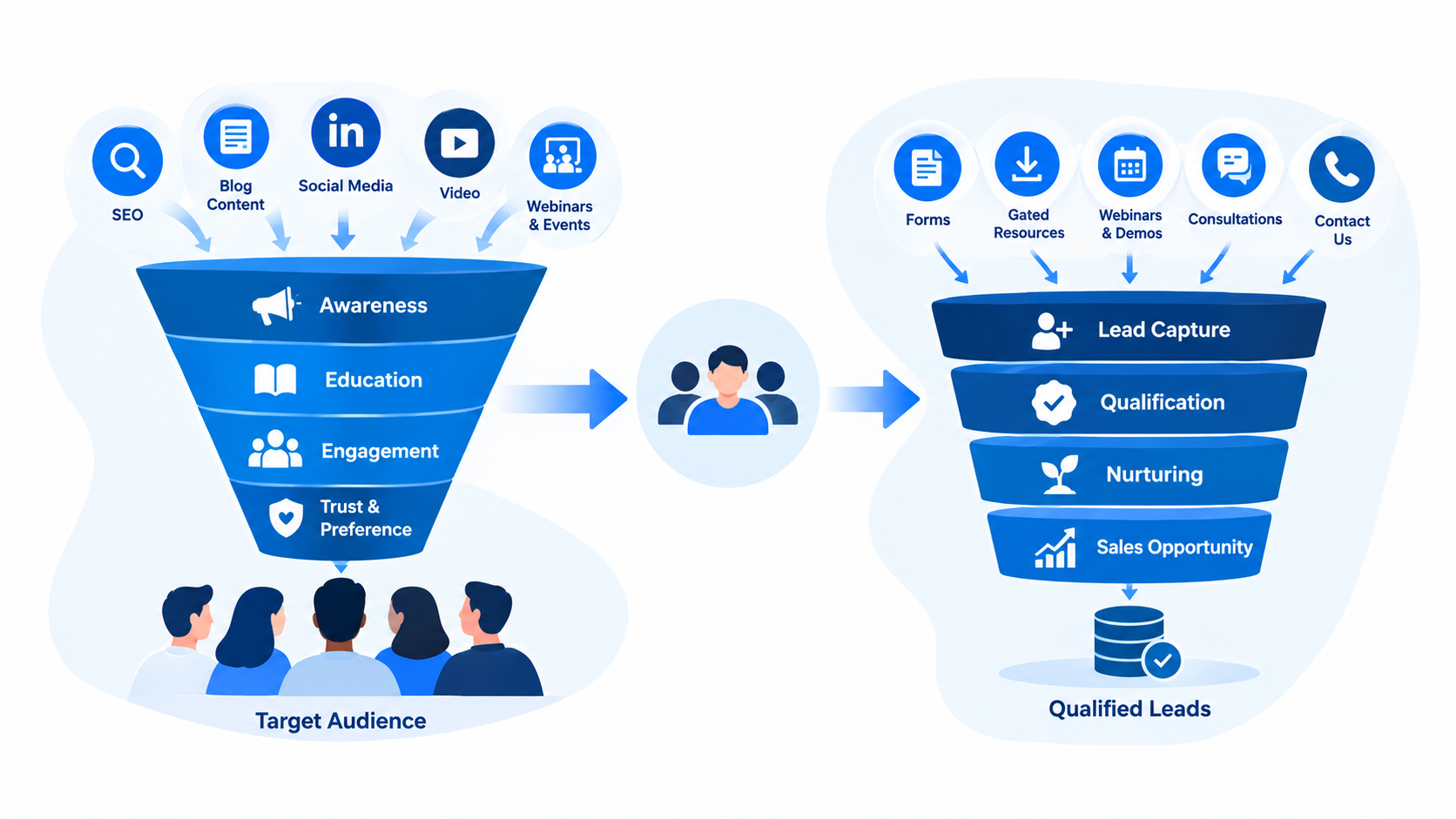
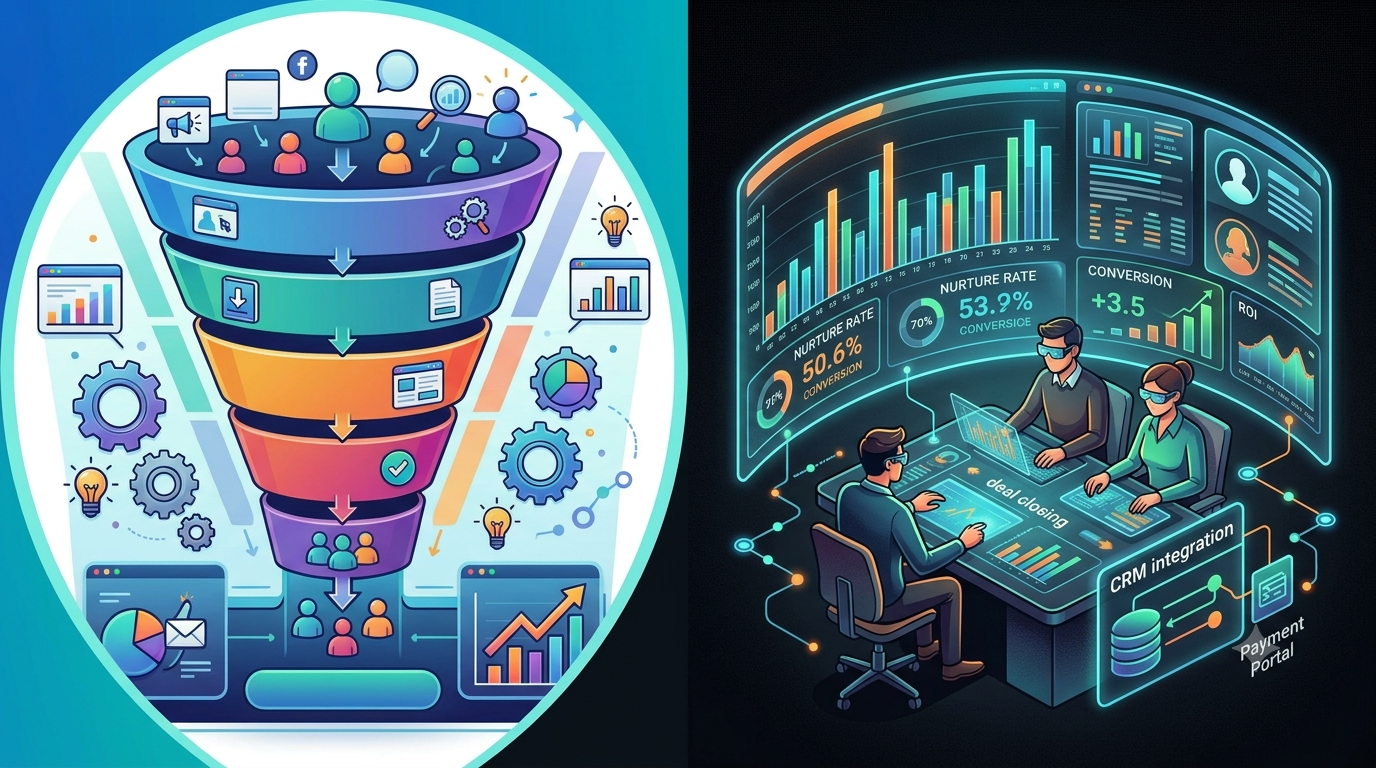

In the fast-paced world of digital marketing, generating high-quality leads is essential for business growth. A high-converting lead generation campaign is like a well-oiled machine. Every part works together to attract the right people, capture their information effortlessly, build trust, and guide them toward becoming loyal customers.
This detailed breakdown explores the core elements that make these campaigns successful. Whether you are running B2B or B2C efforts, understanding this anatomy will help you create campaigns that deliver strong results and sustainable ROI. We will walk through each component step by step, with practical tips, examples, and strategies you can apply immediately.
Why Lead Generation Matters More Than Ever
Lead generation is the process of turning strangers into interested prospects who willingly share their contact details. In today’s competitive landscape, businesses that master this see predictable pipelines and lower customer acquisition costs.
Successful campaigns go beyond basic forms. They combine compelling value, seamless user experiences, targeted promotion, and smart follow-up. The best ones achieve impressive conversion rates by focusing on solving real problems rather than pushing sales.
A strong campaign starts with strategy and ends with continuous improvement. Let’s break it down.
1. Start with Crystal-Clear Audience Targeting and Goals
Every effective campaign begins with knowing exactly who you are talking to. Without a sharp focus, your message gets lost in the noise.
Define your Ideal Customer Profile (ICP) by considering demographics like age, job title, industry, and location. Dig deeper into psychographics: their daily challenges, goals, fears, and where they spend time online. Create 2-3 detailed buyer personas. For example, “Busy Marketing Manager Mike” might be overwhelmed by manual processes and looking for time-saving automation tools.
Set SMART goals for your campaign: Specific, Measurable, Achievable, Relevant, and Time-bound. Instead of “get more leads,” aim for “Generate 400 qualified leads with a cost per lead under $20 within 60 days.”
This foundation ensures every subsequent element resonates. Test and refine your personas using website analytics, customer interviews, and social insights. Misaligned targeting is one of the fastest ways to waste budget.
Pro Tip: Revisit your audience data quarterly as markets evolve.
2. Create an Irresistible Lead Magnet
The lead magnet is the heart of your offer. It is what you give away in exchange for contact information. It must feel so valuable that your audience cannot resist.
High-performing lead magnets directly address a specific pain point or deliver quick wins. Popular formats include:
- In-depth guides or checklists
- Templates and worksheets
- Webinars or video tutorials
- Interactive quizzes and calculators
- Mini-courses or challenge series
- Exclusive reports or case studies
For best results, make your magnet hyper-specific. A general “Marketing Tips” eBook converts poorly compared to “10 Proven Email Sequences That Boosted Our Clients’ Open Rates by 45%.”
Deliver instant gratification. Provide access right after form submission. Keep the content high-quality and on-brand to set expectations for future interactions.
Example in Action: Many successful campaigns use ROI calculators or personalized assessments. These tools engage users actively, leading to higher-quality leads because participants invest time and see immediate value.
Test different formats to see what resonates with your audience. Video-based magnets often perform exceptionally well for visual or time-conscious groups.
3. Build a High-Converting Landing Page
Your landing page is the conversion hub. Unlike your homepage, it has one clear purpose: turning visitors into leads with minimal distractions.
A winning landing page follows a proven structure that matches how people think and decide:
- Hero Section: Grab attention immediately with a powerful headline, supporting subheadline, eye-catching visual, and prominent call-to-action (CTA) button. Use benefit-driven language like “Discover How to Generate 3x More Leads Without Extra Ad Spend.”
- Problem Agitation: Empathize with your audience’s struggles. Show you truly understand their challenges before introducing your solution.
- Solution and Offer Spotlight: Clearly explain how your lead magnet solves the problem. Highlight key benefits with bullet points focused on outcomes.
- Social Proof: Include testimonials, client logos, success stats, or before-and-after examples. Real stories build instant credibility.
- Benefits Breakdown: Dive deeper into what users gain. Time saved, money earned, skills learned.
- Lead Capture Form: Keep it simple. Ask only for essential information like name and email. Each extra field can reduce completions significantly. Use smart form design with clear labels and progress indicators.
- Urgency and Scarcity Elements: Limited-time bonuses, countdown timers, or “Spots Filling Fast” messages encourage quick action without seeming pushy.
- Trust Signals: Privacy assurances, security badges, and guarantees reinforce confidence.
Design matters enormously. Ensure fast loading times, mobile responsiveness, clean layouts, and contrasting CTA buttons that stand out. Use directional cues like arrows or eye-tracking-friendly imagery to guide attention toward the form.
Optimization Ideas: Incorporate short videos explaining the offer or customer stories. Personalize elements where possible for even higher engagement.
4. Drive Qualified Traffic to Your Campaign
Great assets need visitors. Focus on channels that reach your ideal audience efficiently.
Effective traffic sources include:
- Search engine optimization (SEO) through targeted blog content and pillar pages
- Pay-per-click advertising on platforms like Google, LinkedIn, or Meta
- Social media organic and paid posts
- Email newsletters and existing customer referrals
- Partnerships, guest appearances, or co-hosted webinars
- Retargeting campaigns for warm audiences
Align traffic with funnel stages. Top-of-funnel content builds awareness, while bottom-funnel ads drive direct conversions. Track performance to shift budget toward the best-performing channels.
Smart Strategy: Create content clusters that naturally funnel readers toward your main landing page. Use compelling CTAs in blog posts, videos, and social updates.
5. Master Conversion Optimization
Small tweaks can dramatically improve results. Focus on removing friction and boosting motivation.
Craft strong CTAs that emphasize benefits: “Get My Free Guide” performs better than generic “Submit.” Test variations of headlines, images, button colors, and copy through A/B testing.
Minimize form friction. Progressive profiling (asking more questions over time) works well for returning visitors. Ensure your page builds trust at every step.
Use heatmapping tools to see where users click, scroll, and drop off. This data reveals opportunities for improvement.
6. Nurture Leads After Capture
Capturing a lead is only the beginning. Effective nurturing turns prospects into sales-ready opportunities.
Set up automated email sequences:
- Immediate welcome and delivery of the lead magnet
- Educational follow-ups that build authority
- Case studies and success stories
- Soft sales offers or consultation invites
Implement lead scoring based on engagement levels. Email opens, link clicks, website visits. Prioritize hot prospects for your sales team.
Personalization is key. Segment your list by interests or behavior for more relevant messaging. Consistent, value-first communication keeps your brand top-of-mind without being salesy.
7. Measure, Analyze, and Optimize Relentlessly
What gets measured gets improved. Track essential metrics:
- Cost per lead (CPL)
- Conversion rate from visitor to lead
- Lead quality and conversion to opportunities or sales
- Return on ad spend (ROAS)
- Email engagement rates
Use analytics platforms to understand the full customer journey. Conduct regular campaign reviews to identify what is working and what needs adjustment.
Common pitfalls to avoid:
- Vague or low-value offers
- Overly complicated forms or slow pages
- Inconsistent follow-up
- Ignoring mobile users
- Focusing only on quantity instead of quality
- Failing to test and iterate
Stay agile. Markets change, so successful campaigns evolve with new trends like AI personalization, interactive content, and privacy-focused marketing.
Real-World Success Patterns
Many businesses have transformed their results with this approach. Software companies often succeed with interactive tools paired with professional network advertising. Service providers excel with in-depth guides and webinar funnels. E-commerce brands boost performance through contests and quick-value checklists.
The common thread? Deep audience understanding, genuine value delivery, and data-driven refinement.
Advanced Strategies for Even Better Results
- Integrate interactive elements like quizzes or calculators for higher engagement.
- Use short-form video throughout the campaign. On ads, landing pages, and emails.
- Focus on omnichannel experiences so users can engage seamlessly across devices.
- Build in strong trust and privacy practices to stand out in a skeptical environment.
- Experiment with emerging formats while keeping core principles intact.
Final Thoughts
The anatomy of a high-converting lead generation campaign combines strategy, psychology, design, and persistence. By mastering audience targeting, creating irresistible offers, building optimized landing pages, driving relevant traffic, nurturing relationships, and measuring everything, you create a system that consistently delivers results.
Start by auditing your current efforts against these elements. Pick one area. Perhaps your lead magnet or landing page. Improve it this week. Small, consistent optimizations compound into major growth.
Remember, the most successful campaigns are not about hype. They are about delivering real value and respecting your audience’s time and needs. Apply these principles, and you will build not just more leads, but better ones that fuel long-term business success.
This framework gives you everything needed to launch or refine your own high-performing campaigns. Experiment, learn from the data, and watch your results improve.